Serving Clients Across Canada | Virtual Clinic | Vancouver HQ

If you’re located in the US, visit FreeMind Therapy US

Serving Clients Across Canada
Virtual Clinic | Vancouver HQ

If you’re located in the US, visit FreeMind Therapy US

Healing After a Car Accident: How ICBC Counselling Supports PTSD and Physical Recovery

If you feel your heart racing or your body tensing behind the wheel after a crash, you aren’t just dealing with bad memories; your nervous system is holding onto unresolved shock. Discover how PTSD after a car accident impacts both your mind and body, and learn how accessing ICBC counselling can help you process trapped trauma, ease physical pain, and rebuild your independence on the road.

How ICBC Counselling Helps You Recover from a Car Accident

ICBC counselling can be a life-changing step toward healing if you have recently been injured in a car accident.

Surviving a crash changes your life in a single moment. 

View from the back seat of a vehicle showing two men in the driver and passenger seats, representing driving anxiety and road PTSD treated through ICBC counselling.

It can leave you with physical injuries, financial worries, and intense emotional stress. Even after your body has healed, your nervous system might still feel stuck in survival mode. You might feel your heart race whenever you sit in a vehicle, or you may find yourself avoiding driving altogether.

These distressing reactions are common signs of PTSD (Post-Traumatic Stress Disorder). PTSD is a mental condition that can develop after witnessing or experiencing a terrifying event. It changes the way your brain processes stress or fear, causing your body to react as if the danger is still happening. 
Fortunately, specialized therapy helps your mind and body finally heal from the crash, regain control of your life and feel safe on the road again.

Understanding How a Crash Triggers PTSD

  • Subconscious Freeze: During a sudden collision, your nervous system freezes the shock and terror deep within your brain’s survival center.
  • Physical Tension: Your muscles brace for impact, locking physical stress into your neck, shoulders, and back long after the metal is repaired.
  • Overwhelmed Alarm System: Your brain struggles to recognize that the threat is over, keeping your body on high alert even during routine daily tasks.
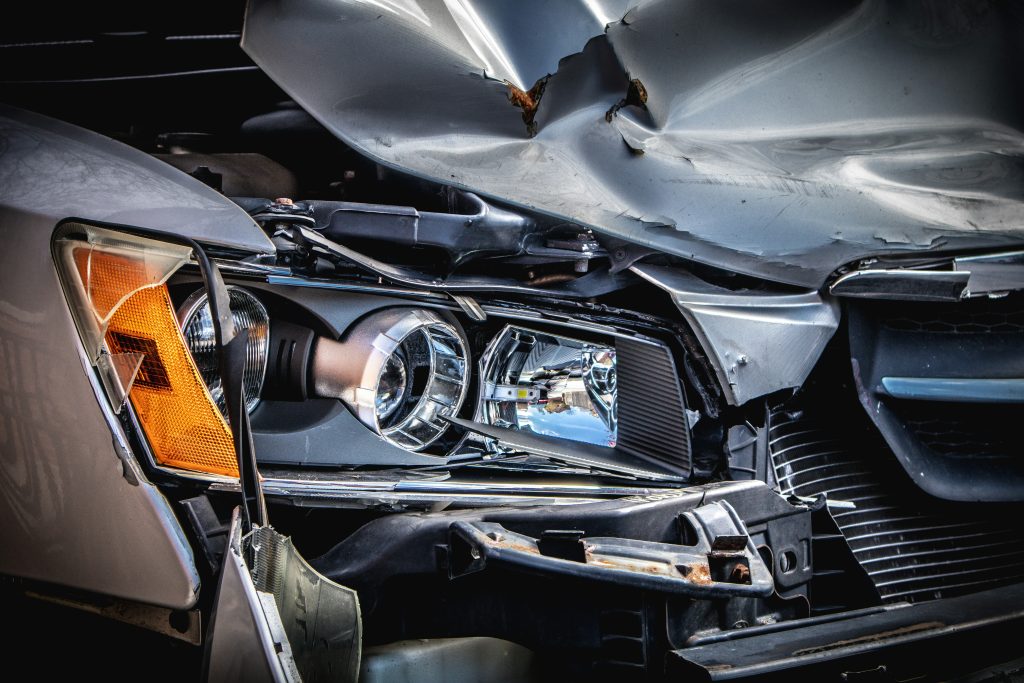
Severe front-end damage to a vehicle after an auto accident, illustrating the trauma and recovery covered under ICBC counselling benefits.

Why Physical Recovery Requires Emotional Healing

Sarah survived a highway collision six months ago. Her physical therapist helped her neck heal. However, every time she was near the crash site, her chest tightened, and her body panicked. Once she started ICBC counselling, she learned that her lingering physical tightness was directly tied to the PTSD stored in her nervous system.

Like Sarah, you might notice that physical pain and emotional distress feed into one another after a car accident. When your mind remains trapped in fear, your body stays tense, which delays your physical recovery.

ICBC counselling addresses both sides of your injury, allowing your body to relax so your physical treatments work more effectively.

Common Signs You Are Carrying Trauma After a Collision

You might not realize that your daily struggles are linked to your crash. Watch for these common signs:

  • Hyper-Vigilance: You feel like you’re always on edge, scanning the environment for threats. You get easily startled and irritated.
  • Avoidance: You refuse to drive, sit in a car, take long detours to avoid the crash site or feel terrified every time you step into a vehicle.
  • Somatic Pain: You suffer from unexplained muscle tension, chronic fatigue, or tension headaches that started after the crash.
  • Sleep Disturbances: You experience frequent nightmares, vivid flashbacks, or trouble falling asleep.
  • Changes in Diet: Your appetite has disappeared, or you’re eating or drinking alcohol more often than you did before the accident.
  • Challenging Emotions: You feel chronic shame or excessive guilt about the car accident. You lash out at others or have sudden angry outbursts and mood changes.

How ICBC Covers Your Mental Health Care

  • 12 Pre-Approved Sessions: ICBC automatically covers 12 clinical counselling sessions within the first 12 weeks after your car accident, no matter who was responsible. You just need your ICBC claim number.
  • No Out-of-Pocket Cost: At FreeMind Therapy, we offer direct billing. Your counsellor bills ICBC directly so you can focus on getting support rather than managing claims.
  • No Doctor Referral Needed: You can start ICBC counselling immediately using your claim number without waiting for a doctor’s note.


If your recovery takes longer than 12 weeks, your FreeMind therapist will advocate on your behalf. They will communicate your needs to your ICBC recovery specialist, so your benefits can be extended to cover them.

Reclaim Your Peace on the Road

At FreeMind Therapy, we understand how overwhelming PTSD after a car accident can feel, and we are here to support your recovery. 

Our compassionate team provides specialized ICBC counselling designed to help you process unresolved trauma, ease physical tension, and regain your peace of mind. Contact us today to book a session using your ICBC claim, and let’s help you feel confident on the road again.